

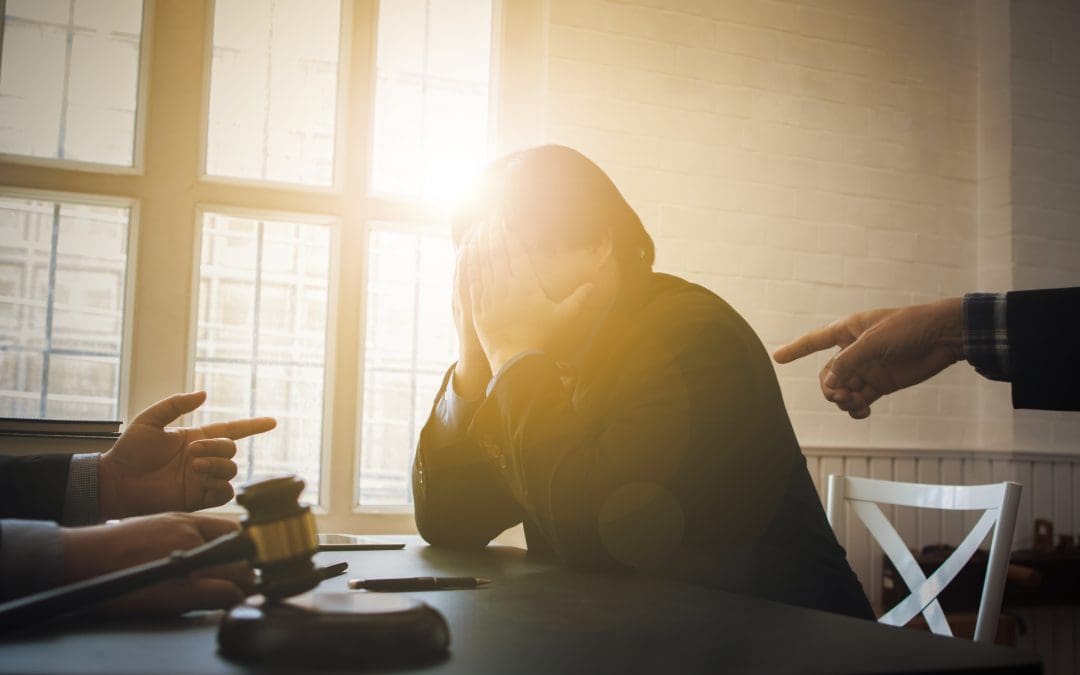
It can quickly become scary when false statements are spread about you or your business. Lies and misrepresentations can cause lasting damage to your reputation and become problematic if left unchecked. You might have been thinking about taking legal action but unsure of what your options are. This guide will walk you through the different kinds of defamation, when you can seek legal action, and what compensation you might receive.
What is defamation?
Put simply: defamation happens when someone spreads false information about you to others, causing damage to your reputation. Defamation can take place in print, or in conversation, and can concern any subject matter. You can be defamed as an individual person, or as a company.
What types of defamation are there?
In the UK, there are two mains of defamation:
- Libel
Libel occurs when defamation happens through the publication of permanent media. For example, through print, social media post, broadcast, or production. Libel is generally regarded as more severe because it can spread information to a wide audience and lasts longer.
- Slander
Slander occurs when defamation happens in an impermanent form. For example, if someone makes false statements about you in conversation with others, or otherwise indicates something untrue through their overall conduct and use of gestures.
You can pursue legal action for both libel and slander.
What are the requirements of libel?
If you want to take legal action against someone for libel, you will need to prove a certain set of facts, including that:
- Information has been conveyed to a third party
You need to prove that the false statement has been passed on. For libel, this will mean that a work has been published and distributed to others. For example, that an article has been published with false information about you, or that a performance has included false lines about you. The key thing to understand is that the information must have been passed on to someone other than you.
- The information conveyed is false
You need to provide evidence to show that the statement itself is not true, and that it was not a matter of mere opinion.
- The information concerned you or your business
You must demonstrate that the statement specifically implicated you. For example, if you are named or if there are clear circumstances connecting it back to you.
- The information has caused or is likely to cause ‘serious harm to your reputation’
You need to show that the information either has already caused ‘serious harm’ to your reputation, or is likely to. The threshold for ‘serious harm’ is different depending on whether you are an individual or a business.
- For individuals: you must show that there has been significant damage to your reputation, and that the spread of information has reduced or is likely to reduce the way in which you’re viewed by the average person.
- For businesses: you need to demonstrate that the information has caused or is likely to cause significant financial loss. For example, if you have lost out on partnerships, or sales have fallen.
Who should I sue?
There are often several actors involved in libel. For example, if false statements are published about you in a book, both the original author and the publisher are heavily involved. In most cases, you can bring a libel action against both the publisher and the author.
However, this is not always the case for online forums or websites which allow users to post their own content or thought-pieces. You cannot bring an action against these kinds of websites if they have a ‘Notice and Takedown’ option. This is a procedure which allows you to issue a complaint and request that the content be removed for its inaccuracy. If the website fails to take appropriate action, you can bring legal action against them.
What are the requirements of slander?
If you want to bring a legal action for slander, you will need to prove that a certain set of facts occurred, including that:
- Information has been conveyed to a third party
You need to show that the defendant spread information about you to others. For slander, this could be through the use of words, gestures, or conduct.
- The information conveyed was untrue
You need to show that the information spread was false and that it was presented as fact, rather than as a matter of personal opinion.
- The statement concerned you or your business
You need to demonstrate that the information specifically concerned you or your business. For example, if you are specifically named, or if the reasonable person would have deduced that the defendant was referring to you.
- That there has been actual serious harm to your reputation
Unlike with libel, it’s not sufficient to prove that a false statement is likely to cause significant harm. Instead, you need to prove that you’ve already experienced specific harm. Such as financial loss.
I have been the victim of slander – how can I prove that it happened?
Slander usually happens through speech, gesture, or conduct. Unlike libel, it does not always leave a clear record that exists after it has happened. This can make it difficult to prove; however, it’s still possible. You may be able to gather witness statements from people who heard the false statements, or might have access to recordings or transcripts of what was said. A qualified solicitor can help you determine which pieces of evidence will be most compelling for your case.
Does defamation have to be intentional?
No, it doesn’t. Slander and libel are strict liability offences. That means you don’t have to prove that the person spreading information acted maliciously or intended their actions to damage your reputation. However, they must have known that the information was untrue.
When should I bring a claim?
If you have been the victim of defamation, it’s important to take action quickly. There is a short limitation period for slander and libel actions, meaning that you have just 12 months from the date that the statement is first published or spread .
It’s important to remember that something known as the ‘single publication rule’ means that the 12 month period starts from the first time something is published. The clock does not start again if the same statement is later published again in the same format. For example, if a claim was published on social media in April, and later published by a separate social media account in September, the clock starts ticking from April onwards, and is not reset in September. The ‘single publication rule’ does not apply if the media format changes.
I have been the victim of defamation – what should I do?
When defamation occurs, you should always act quickly and be sure to document any evidence to maximise your chances of successful legal action. You should:
- Document any evidence
You will need to prove a certain set of facts to bring a slander or libel case. This means you should always be documenting evidence. If a statement has been published via a broadcast, it’s a good idea to record it. If it has been posted online via a website or social media account, you should take relevant screenshots.
- Send a ‘Cease and Desist Letter’
A Cease and Desist Letter is a formal written notice requesting that a person or organisation stop (“cease”) and refrain from continuing (“desist”) a particular action that is alleged to be unlawful, harmful, or infringing on another person’s rights.
It is commonly used before legal proceedings are started and serves as a warning that legal action may follow if the conduct continues.
- Bring legal action
In some cases, a defendant may decide to settle informally after receiving A Cease and Desist Letter but this isn’t always the case. If you decide to proceed with court, it’s a good idea to instruct a legal representative who can help construct arguments on your behalf, and create a reasoned legal case.
What kind of remedies are available?
It can be devastating to be the victim of slander or libel. If you succeed in winning a defamation case, the court may decide to award a variety of remedies, such as:
- Damages
The defendant might sometimes be ordered to pay financial damages to compensate you for financial losses, damage to reputation, and associate distress.
- Injunctions
It is rare to be granted interim injunctions in defamation cases; however, courts sometimes grant injunctions when they have made their verdict. They may order the defendant not to publish any further defamatory statements about you.
- Ordered retractions
The defendant can be ordered to publish a summary of the court judgment, documenting that they have been sued for defamation.
Someone has accused me of defamation – how can I defend myself?
It can be incredibly stressful to be accused of defamation, particularly when you believe you have done nothing wrong. There are a few main defences you can rely upon to argue that you have not broken the law. These are:
- Truth
You can defend yourself by demonstrating that the information you spread was ‘substantially true’. This doesn’t mean that every detail must have been completely correct, but the statement itself and overall message must be broadly true.
- Honest opinion
You can defend yourself by demonstrating that your statement was not expressed as a fact but as a genuine opinion. You must be able to show:
- The statement was an opinion, not a fact.
- The statement indicated the basis on which the opinion was formed.
- The opinion could have been held by a genuine person on the basis of some other fact that existed at the time.
- Matter of public interest
You can defend yourself if the statement concerned a matter of public interest and you believed that publishing it was in the public interest. For example, if you are a journalist, publishing a story about a particular figure.
It’s important to recognise that this defence doesn’t encompass all journalism – you still need to show that you have behaved responsibly. For example, the court might consider the severity of the false information, the tone of your work, which safeguards you took to verify the accuracy of the statement, and whether you attempted to seek a comment from the claimant.
If you need any help with pursuing or defending a defamation claim, please contact us at findmeasolicitor.co.uk.
Written and researched by Kristin Poole.